
PRESS
Read DM Development's latest news and press releases
Mission District apartment building finally ready to become reality — ‘Institutional capital is coming off the sidelines’
A massive housing project in the Mission is expected to break ground next month, seven years after its developers kicked off the project, a sign that difficulties in getting housing projects going could be easing.
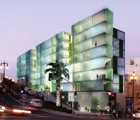
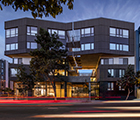
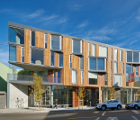
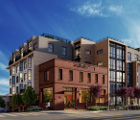
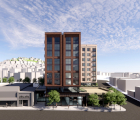
San Francisco-based DM Development secured an equity partner in Denver-based private equity firm Ascentris to build 152 units of housing at 321 Florida St. Together, they closed on a $61.7 million construction loan from PNC Bank approximately three weeks ago.
Mark Macdonald, co-founding principal at DM, told the Business Times that rising residential rents, a supply-constrained market and a surging demand to live in San Francisco helped catch the eye of investors, making the long-entitled project financeable.
“That kind of new demand against a backdrop of very limited supply has created conditions where institutional capital is coming off the sidelines and looking at capitalizing market-rate deals again,” Macdonald said.
Trying to make it work
DM will land its building permits soon and break ground before the end of the year, Macdonald said. The firm first entitled the project in 2021, but the one-two punch of the pandemic and interest rates rising significantly in early 2022 put the project on hold.
While waiting for better market conditions, DM briefly considered a pivot to an 100% affordable housing project to take advantage of low-income tax credits, but stayed the course with market-rate after seeing residential rents skyrocket. The project includes 15 affordable units, 10% of the total unit count, to qualify for the state density bonus, he said.
The Mission District is currently 3% vacant, and saw rent growth of roughly 10%, Macdonald said. Across the city, median rent for a one-bedroom apartment jumped 25% year-over-year to a new high of $4,300 — putting the city just $200 away from the nation’s priciest market, New York, for a similar apartment.
That growth earned San Francisco an "F" grade on Zumper's Renter Leverage Index, which scores cities on how hard property owners have competed for tenants in the past three years, signaling property owners hold more of the cards than renters. It fell two letter grades from last year, the only city in the report to do so.
Outside of rent growth, Macdonald said San Francisco’s perception has improved substantially among investors, and policy changes from City Hall have helped projects make sense ecoomically.
“I think the more supportive policies of the Lurie administration have helped housing production. The lowering of the inclusionary housing requirements as well as the reduction in the development impact fees has made the numbers work better than they have in the past,” Macdonald said.
The market 'is quite different'
Developing housing is still a challenge, despite improving market conditions, Macdonald said. DM worked to reduce project costs as much as possible by reworking the unit count and mix and apartment finishes, reducing the total count from 168 to 152 units to make room for bigger units that tenants want.
“It really was in response to the current market, which is quite different than what we were seeing pre-pandemic,” he said.
A recent report from RentCafe found San Francisco’s apartments are getting bigger, with new construction shifting to include a higher share of two bedroom apartments than previously. It ranked fourth in the nation for apartment size growth, one of just 13 metros that saw any growth at all in the report.
Researchers said that affordability is a big driver for that change, as renters largely cannot afford studio units at high prices, or would rather save money living with roommates to cut costs. Macdonald said as more high-income workers enter the city, they want more space than previously, and have the means to rent it.
Financing the project was the biggest hurdle, he said. San Francisco was “redlined” at investment companies from 2022 to 2025, and he said it was “impossible” to find equity investors who wanted to build ground up multifamily housing in the city.
“I think our investors, as we are as well, we’re not making a short-term bet on AI, we’re making a long-term bet on San Francisco because we believe in this city,” Macdonald said.
DM worked with Handel Architects on the project, and the plan includes a roof deck, co-working spaces, fitness center and other features. The firm also partnered with Cultura y Arte Nativa de las Americas, a nonprofit dedicated to educating the Bay Area about the culture and healing practices of the Americas and the Caribbean. They are hosting a fundraising event Oct. 22.